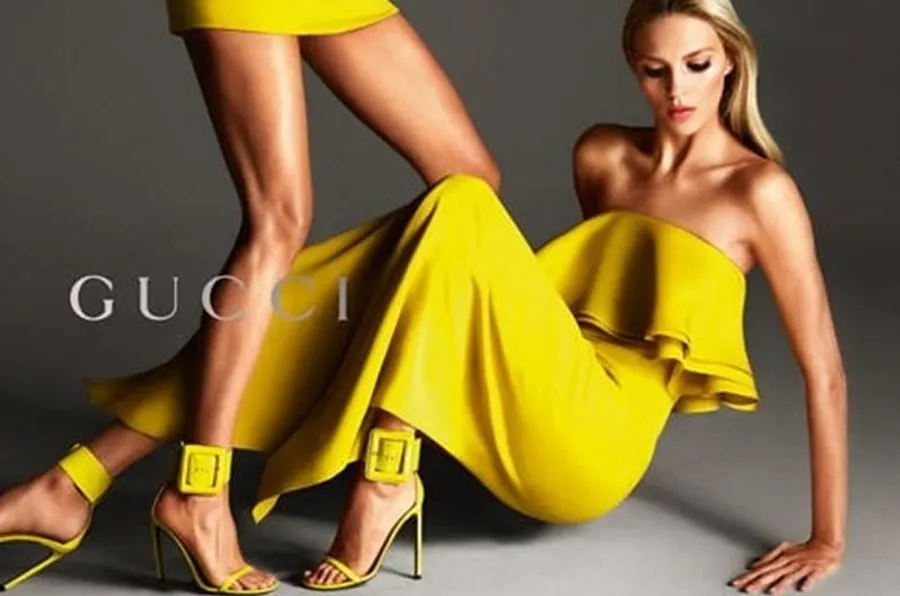
GUCCI
An iconic Italian luxury fashion house, renowned for high-end leather goods, ready-to-wear clothing, accessories, and fragrances

A Century of Excellence
Founded in 1921 by Guccio Gucci in Florence, Italy, the brand was inspired by the luxurious luggage wealthy travelers brought to the Savoy Hotel in London, where Guccio worked as a bellhop.
What began as a small leather goods and saddle shop, known for its fine craftsmanship, has evolved into one of the most influential, recognizable, and valuable luxury brands in the world.
Iconic Symbols
Instantly recognizable marks of luxury and status
The Double G Logo
The interlocking G's (for Guccio Gucci) became a global symbol of status and luxury.
Green-Red-Green Web
A stripe inspired by a horse's girth, a nod to its equestrian heritage.
The Gucci Flora
A romantic, intricate floral print originally created for Grace Kelly in 1966.
The Horsebit
A metal detail from equestrian hardware that appears on loafers, bags, and accessories.
The Bamboo Handle
An innovative design from the 1940s, born out of material scarcity during WWII.
Heritage Patterns
Timeless designs that have defined luxury fashion for generations.
Product Range
Ultra-luxury offerings across categories
Leather Goods
Handbags, wallets, and suitcases
Ready-to-Wear
Clothing for men and women
Footwear
Loafers, sneakers, and heels
Accessories
Belts, sunglasses, scarves, jewelry
Beauty
Fragrances and cosmetics
Home Decor
Luxury home furnishings
Watches
Swiss-made timepieces
Fine Jewelry
Precious stones and metals
Iconic Imagery
Visual expressions of Gucci's craftsmanship, celebrity influence & timeless appeal
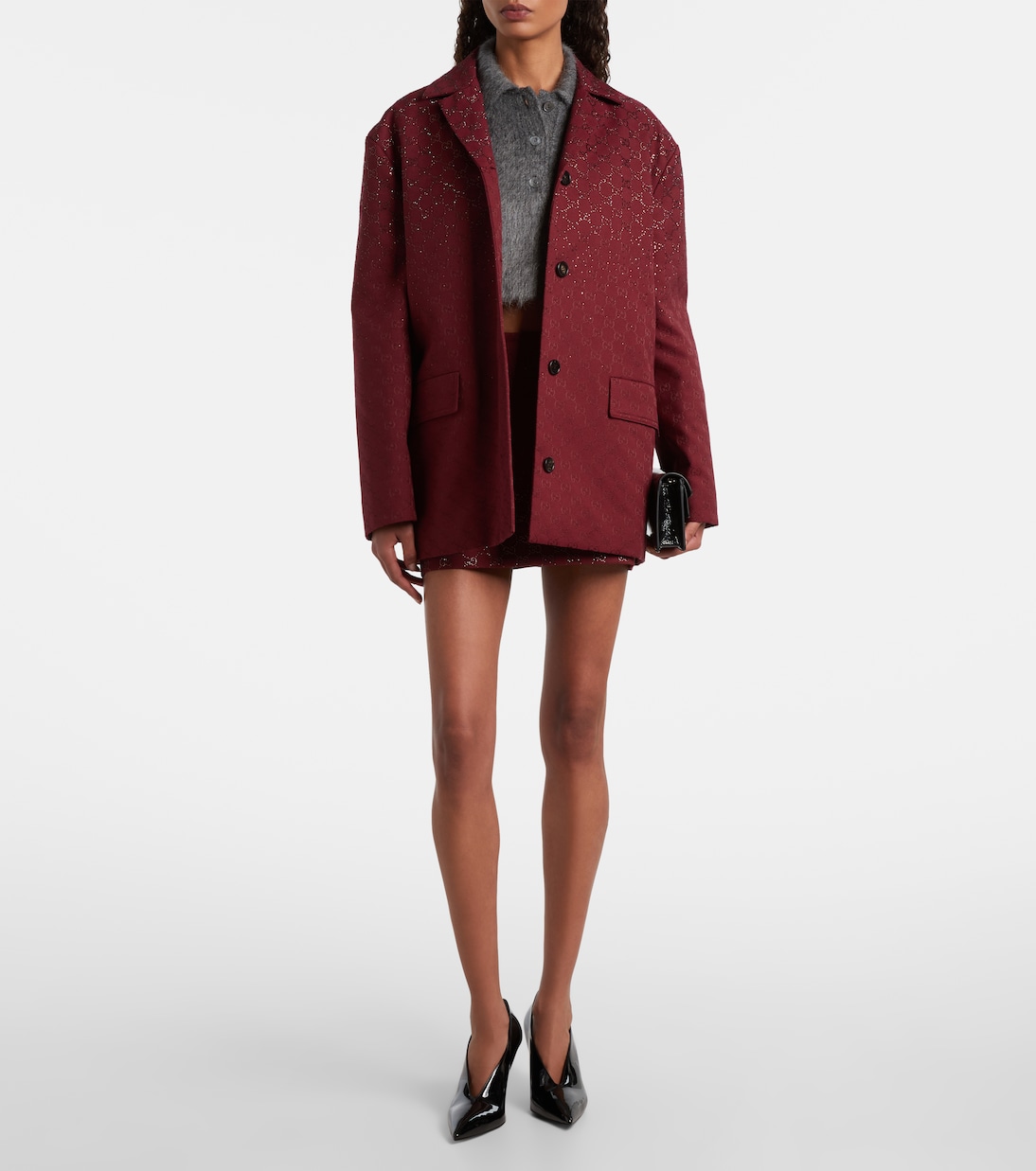
Horsebit 1955 Shoulder Bag
Iconic horsebit hardware reimagined with modern sophistication and timeless elegance.
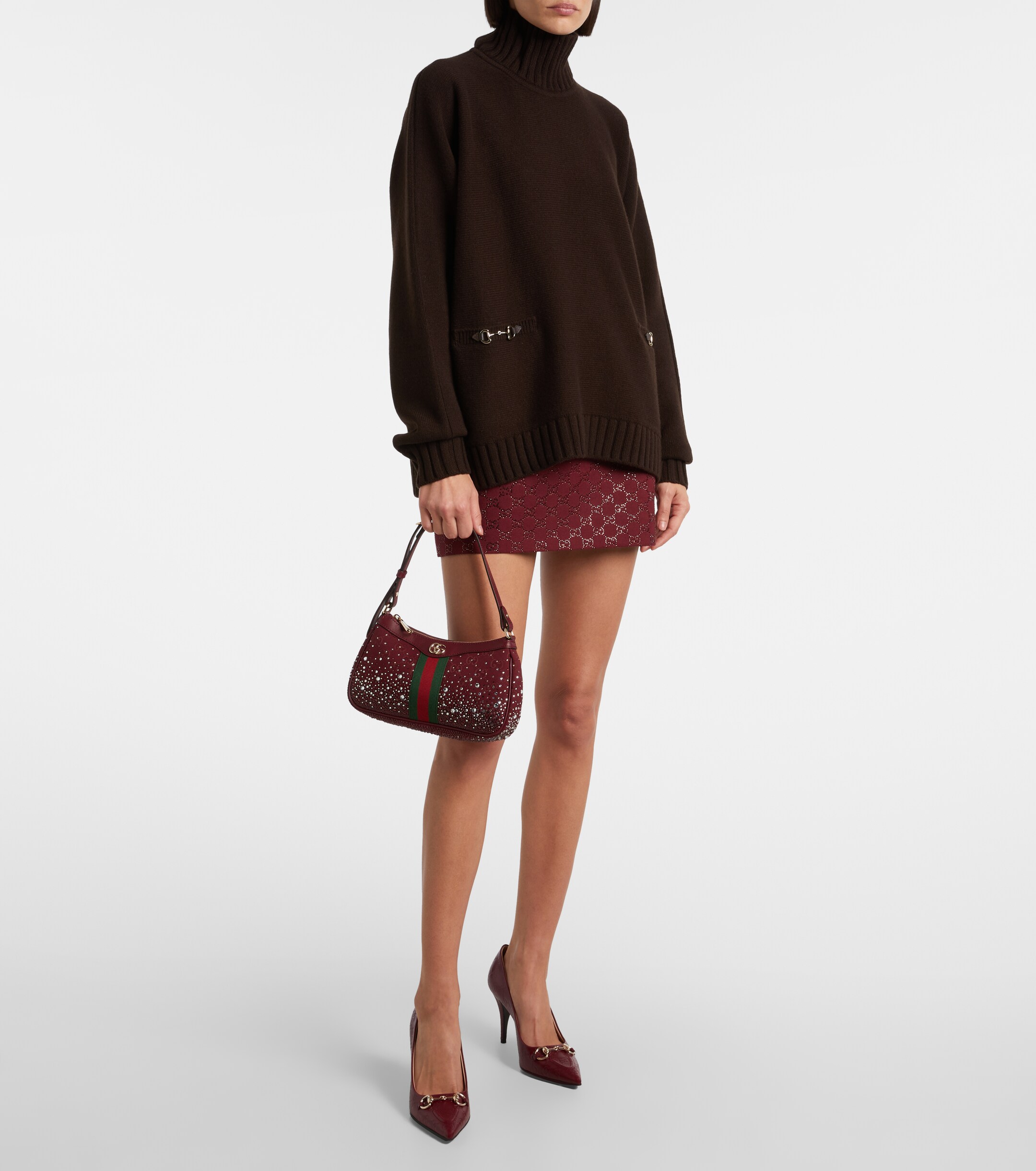
Jackie 1961 Small Hobo Bag
The legendary Jackie bag—soft, structured, and eternally chic.
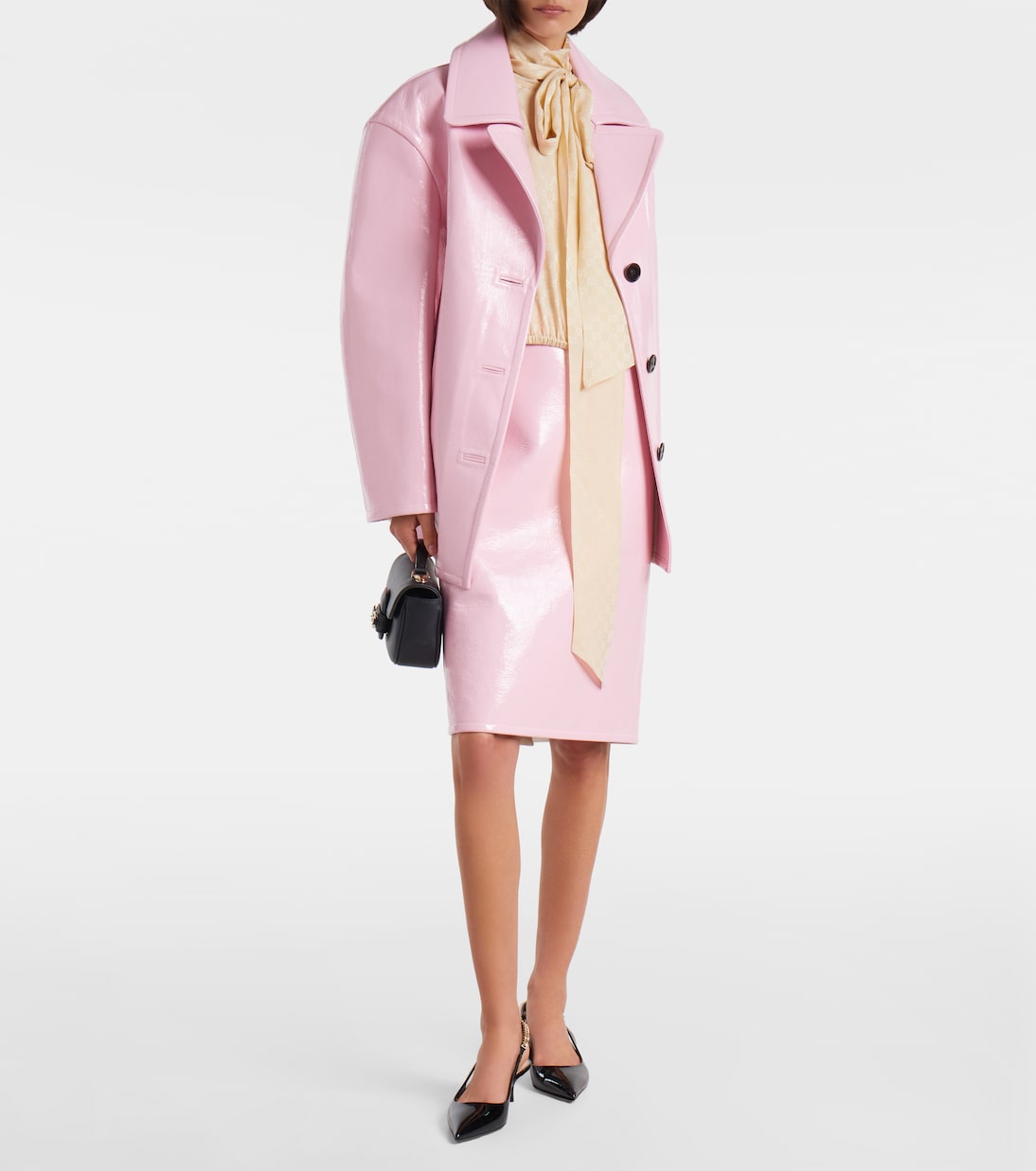
GG Marmont Matelassé
Chevron quilted leather with the iconic double G—a modern classic.
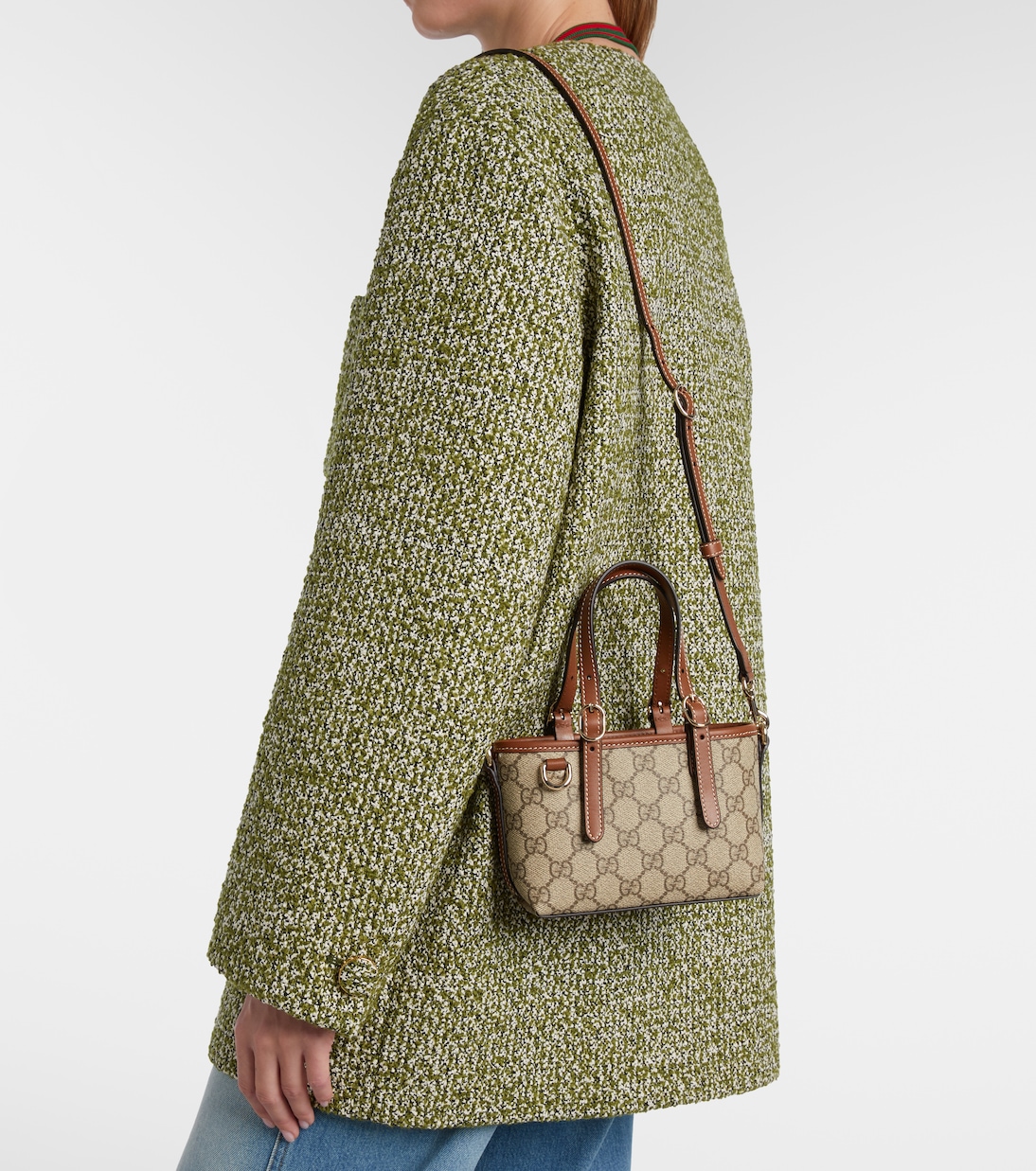
Dionysus GG Supreme
Tiger head closure meets monogram canvas—bold, structured, statement-making.
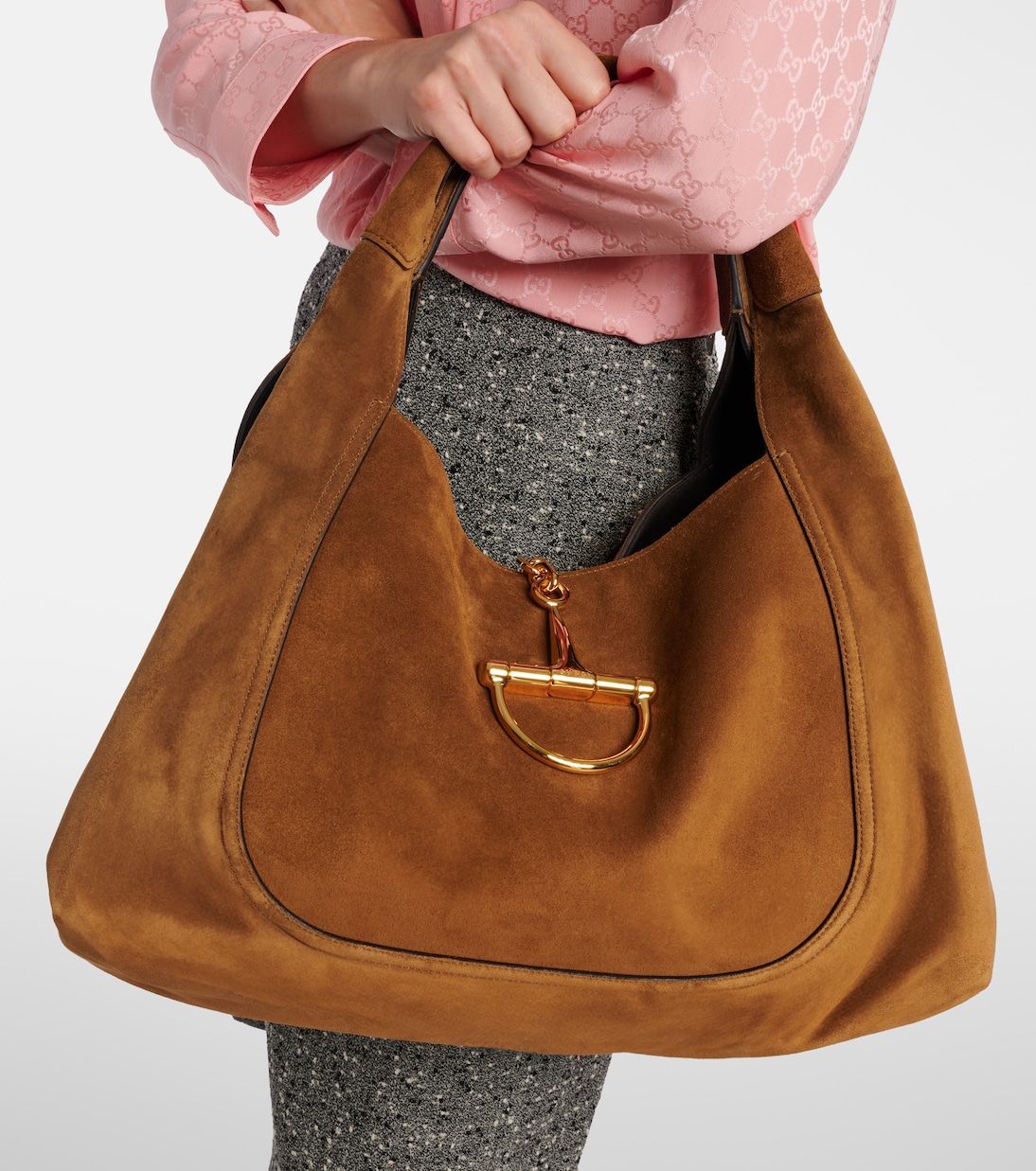
Ophidia GG Supreme
Heritage monogram with web stripe detail—vintage-inspired luxury.
Extended Gallery
Scroll through a curated visual collection highlighting fragrances, craftsmanship, celebrity culture, and iconic design signatures.
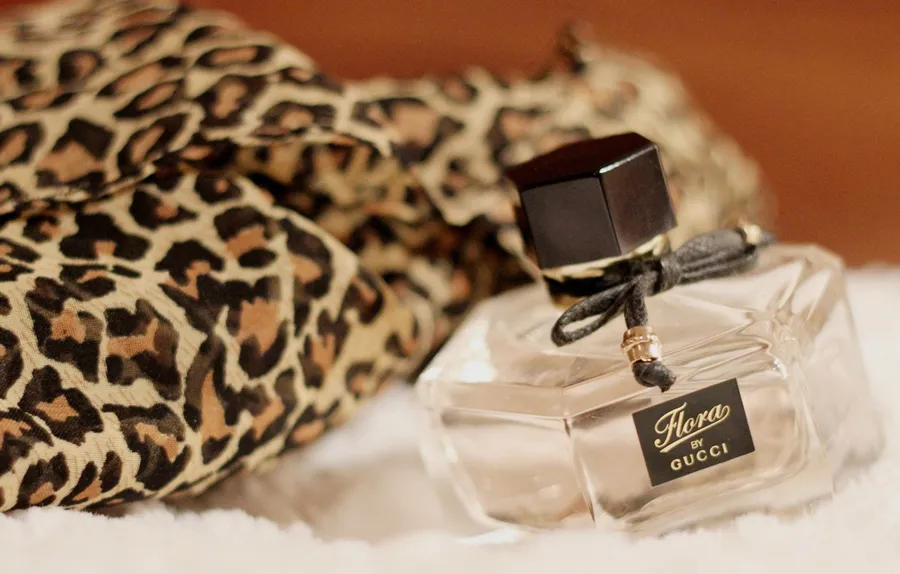
Gucci Flora Fragrance
Floral heritage reimagined in modern luxury scent composition.
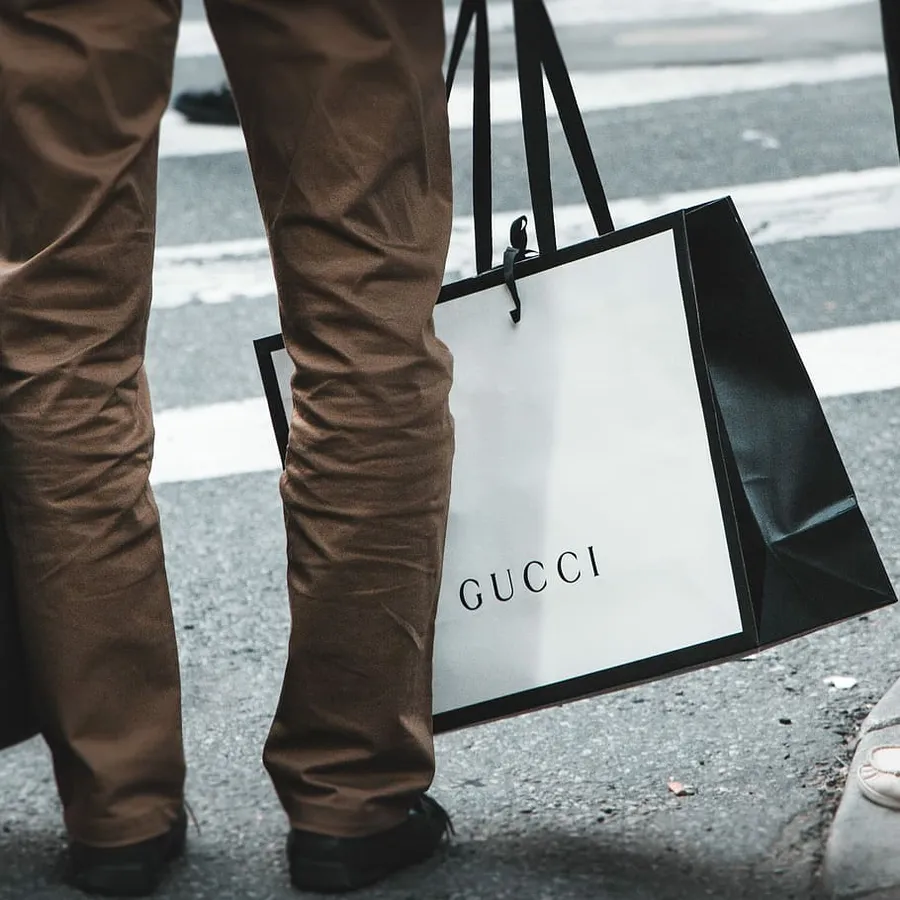
Handcrafted Leather Bag
Exemplifies artisan construction and timeless Italian craft.
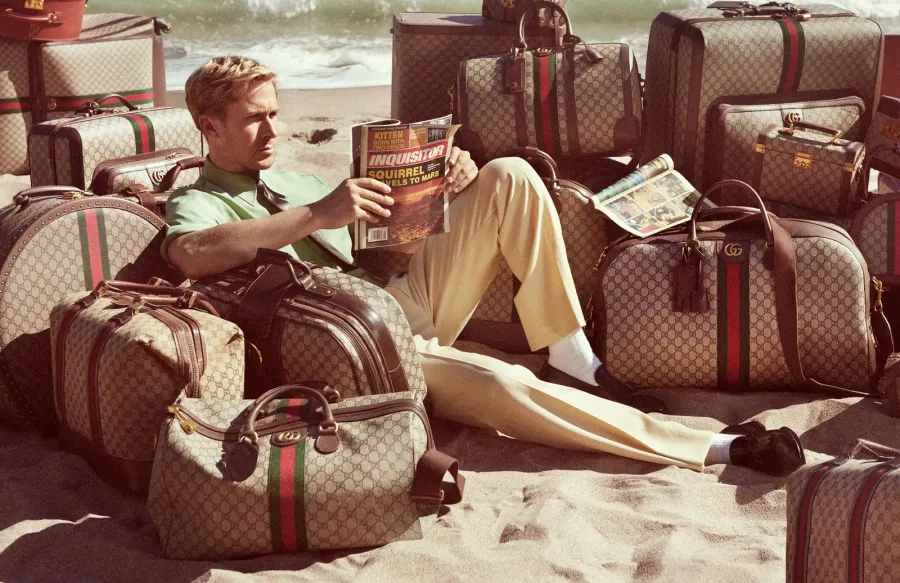
Ryan Gosling Editorial
Celebrity narrative woven into brand storytelling and quiet luxury.

Chris Evans Campaign
Global ambassadors shaping aspirational authenticity.
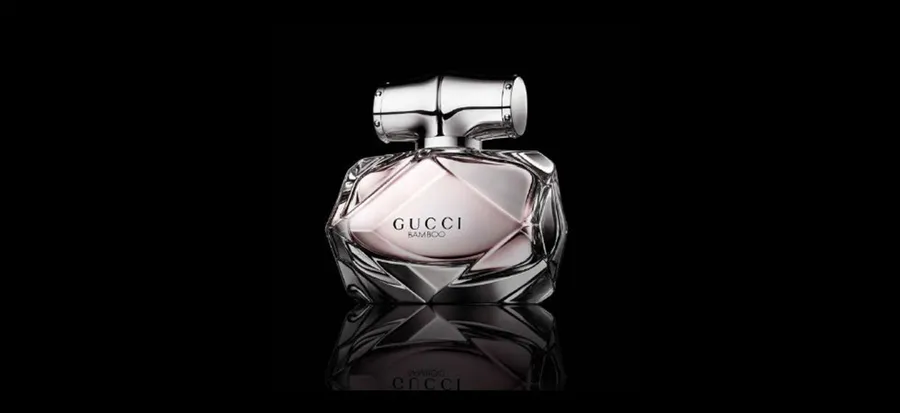
Bamboo Perfume
Innovation born from scarcity transformed into enduring design code.
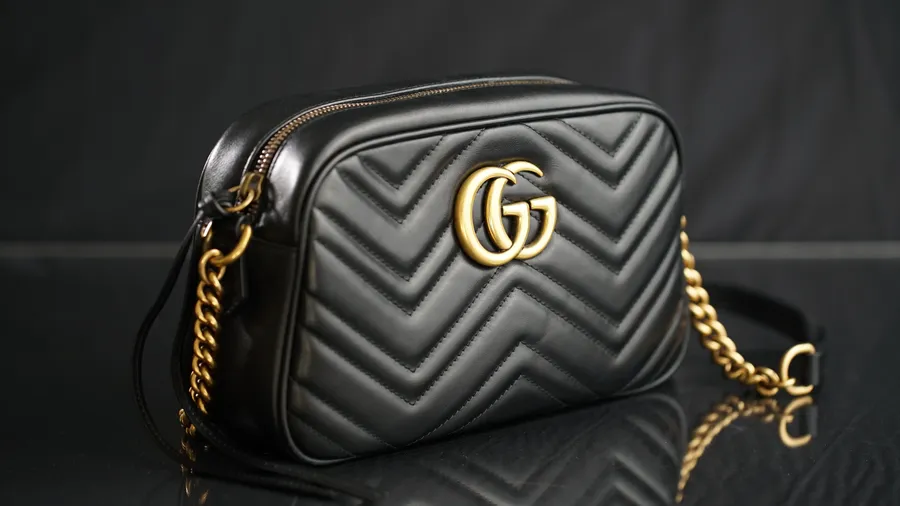
Classic Black Handbag
Timeless sophistication in monochrome elegance and refined structure.
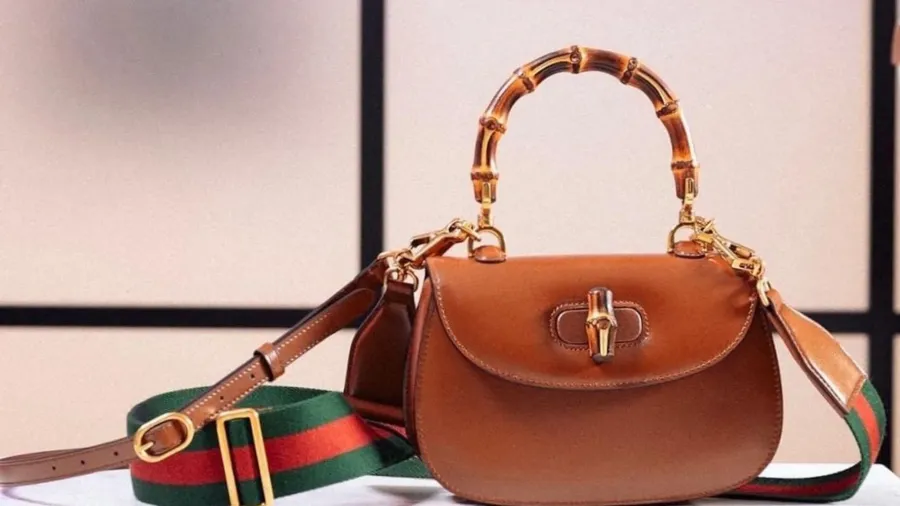
Brown Leather Heritage
Rich cognac tones celebrating equestrian roots and Italian craftsmanship.
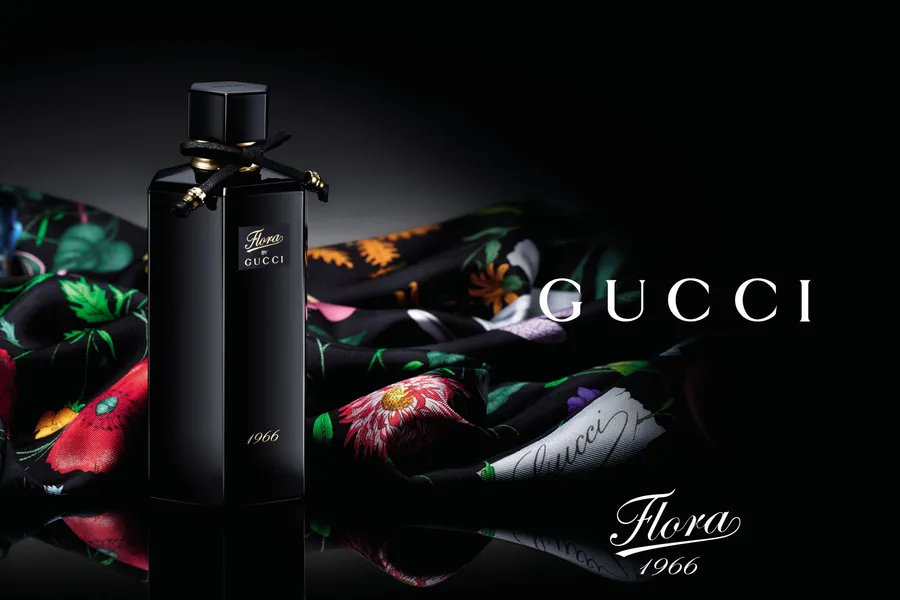
Flora on Black
Iconic floral print reimagined against dramatic dark backdrop.
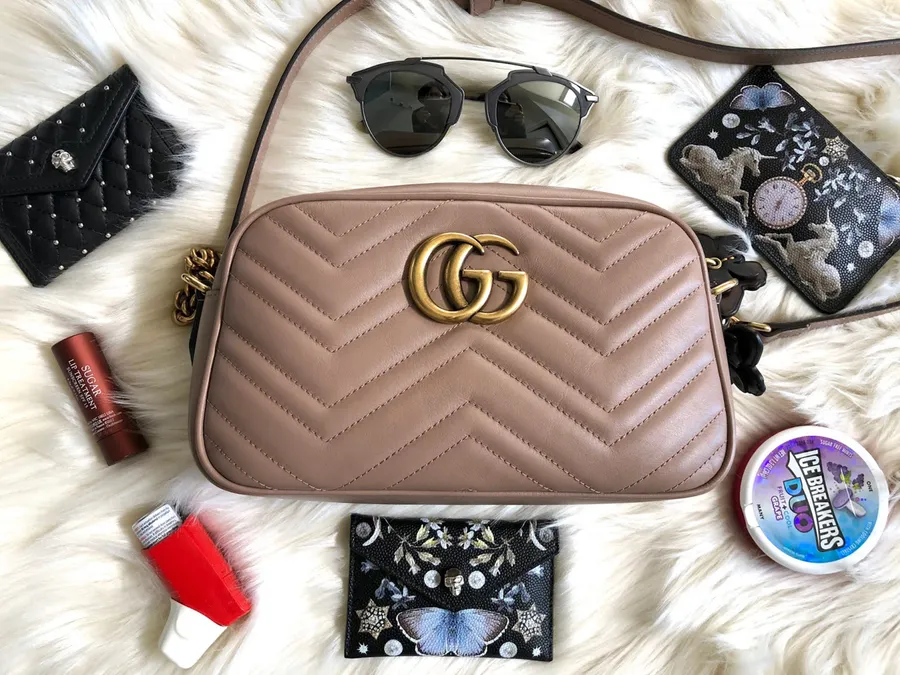
Beige Leather Elegance
Neutral sophistication embodying understated luxury and versatility.
The Gucci Revival
Alessandro Michele was appointed Creative Director in 2015, introducing a "geek-chic," maximalist, and gender-fluid style.
His bold, quirky, and highly decorative designs resonated deeply with a new, younger generation of luxury consumers, making Gucci the fastest-growing major luxury brand at the time.
New Era: Sabato De Sarno
Appointed in 2023, bringing a shift towards "quiet luxury" and refined elegance.
- •Minimalist, sophisticated aesthetic
- •Focus on impeccable tailoring
- •Timeless, elegant pieces
Cultural Impact
At the center of fashion, art, and social conversation
Celebrity Endorsements
A long history of being worn by Hollywood icons—from Grace Kelly and Tom Ford-era Madonna to Harry Styles and Jared Leto today.
Socially Conscious
Vocal about inclusivity, diversity, and sustainability—using recycled materials and committing to carbon neutrality.
Provocative Campaigns
Known for artistic and often surreal advertising campaigns that generate buzz and discussion worldwide.
Visionary Designers
The creative minds who shaped Gucci's legacy
Tom Ford
Porno Chic • Ultra-Glamour • Sexy Minimalism
Closed the infamous logo-mania chapter and injected raw, controlled sex appeal. He used velvet, satin, sleek tailoring, and a dark sensual palette to make Gucci the epitome of cool sophistication.
Key Contributions
- →Saved Gucci from bankruptcy with provocative, sensual designs
- →Replaced loud logos with luxurious fabrics and impeccable tailoring
- →Created a cultural phenomenon that redefined modern luxury
"He didn't just change the clothes; he created a powerful, provocative image that made Gucci the coolest name in fashion again."
Philosophy: "More is More"
Self-expression through layering and mixing, rejecting minimalist trends
Alessandro Michele
Maximalism • Romanticism • Gender Fluidity
Mixed historical references (Renaissance, 70s hippie, 80s punk) with modern, inclusive ethos. Created a romantic, maximalist universe that captivated a new generation.
Sabato De Sarno
Quiet Luxury • Pared-Back Sensuality • Precision
A direct reaction to Michele's maximalism. His vision "Gucci Ancora" (Italian for "again") focuses on the essence of the house through quality, fabric, and impeccable tailoring.
Key Contributions
- →Jackie 1961 Re-edition: Sleeker, more structured take on the icon
- →Focus on Fabric: Emphasis on cashmere, silk drape, perfect trouser fit
- →Minimalist Aesthetic: Responding to changing luxury market dynamics
The Art of Craftsmanship
Why Gucci costs what it does—master artisanship revealed
The Bamboo Handle
Still done by hand near Florence. Workers soak bamboo in water, heat it over open flame to make it pliable, then carefully bend it around metal rods. Each handle takes hours of skilled labor, then varnished and polished to perfection.
Pelle Guccissima
Proprietary full-grain leather known for durability and unique patina. Uses natural tannins in a long, environmentally friendly process (vs. chrome tanning). Develops character over time, becoming more beautiful with age.
Double G Jewelry
Fine jewelry using 18k gold, diamonds, and colored gemstones. Craftsmanship rivals dedicated jewelry houses. Each piece requires dozens of hours by master goldsmiths, with meticulous attention to detail.
The Gucci Universe
An ecosystem beyond fashion
Gucci Beauty
Major luxury beauty player with L'Obscur Mascara, Rouge à Lèvres Mat lipsticks, and Flora Gorgeous Gardenia perfume in vintage-inspired packaging.
Gucci Décor
Full line of luxury home goods including porcelain, cushions, candles, and tricolor table tennis paddles—bringing Gucci aesthetic home.
Gucci Valigeria
Direct legacy of Guccio's original vision. High-end luggage and travel accessories celebrating the art of luxurious travel.
Gucci Osteria
Michelin-starred restaurant by Massimo Bottura. Locations in Florence, Beverly Hills, Tokyo, Seoul—merging haute cuisine with elegance.
Gucci Garden
Located in Florence's Piazza della Signoria. Multi-functional space with museum, exclusive boutique, and Gucci Osteria—a creative world.
Gucci Equilibrium
Dedicated platform for social and environmental sustainability. Focus on carbon neutrality, diversity, inclusion, and ethical practices.
The Gucci-verse Glossary
Essential terms every Gucci enthusiast should know
GG Supreme
1930sCoated canvas with interlocking G pattern, introduced in the 1930s. One of the most recognizable materials in fashion.
Flora Print
1966Vibrant, romantic floral print created in 1966 for Grace Kelly. Reissued countless times across products.
Web Stripe
1950sThe green-red-green stripe inspired by a horse's girth—a nod to equestrian heritage and founding vision.
Horsebit
1953Metal hardware derived from equestrian bits. Featured on iconic loafers, bags, and accessories.
Bamboo
1947Signature material for bag handles since the 1940s. Born from WWII material scarcity, now a timeless icon.
Gucci Ancora
2023New creative code by Sabato De Sarno meaning "again"—focusing on timeless elegance and essential luxury.
Rosso Ancora
2023Signature deep burgundy-red color of the De Sarno era, replacing the eclectic Michele palette.
Pelle Guccissima
OngoingProprietary full-grain vegetable-tanned leather known for durability and developing unique patina over time.
Hall of Fame
Legendary products that defined luxury fashion
Horsebit Loafer
First loafer ever featured in the Metropolitan Museum of Art. The horsebit detail became an eternal symbol of effortless Italian style.
The Jackie Bag
Originally "G1247," renamed after Jackie Kennedy made it her signature. Its soft hobo shape and piston closure remain iconic.
Bamboo Bag
Born from wartime material scarcity. The hand-bent bamboo handle is still crafted in Florence using the original technique.
GG Marmont
Michele-era icon featuring double G logo in chevron quilting with a heart-shaped detail on the back. A modern best-seller.
Dionysus
Named after the Greek god, defined by double-tiger head closure and structured shape, often adorned with embroidery.
Flora Scarf
Created exclusively for Grace Kelly. The romantic floral print became one of Gucci's most recognizable patterns.
The Eras of Gucci
A century of crises, comebacks, and creative revolutions
The Founding Vision
Guccio Gucci, inspired by English aristocracy and equestrian culture, opened a leather goods shop in Florence. The horsebit, green-red-green web, and bamboo weren't just designs—they were solutions born from war and symbols of a specific lifestyle.
Hollywood Glamour Era
Gucci became the favorite of Grace Kelly, Audrey Hepburn, and Jackie Kennedy. The "Jackie O" bag was created. This cemented Gucci's status as the red-carpet and jet-set luxury brand.
Family Feuds & Decline
Internal battles and over-licensing diluted the brand. Gucci became associated with loud logos and counterfeits, losing its high-fashion cachet and nearly facing bankruptcy.
The Tom Ford Revolution
Tom Ford saved Gucci from bankruptcy with raw sexuality, sleek glamour, and provocative campaigns. He didn't just design clothes—he created a cultural phenomenon that made Gucci the coolest name in fashion.
Frida Giannini Era
Giannini brought a bohemian, sophisticated aesthetic, focusing on archives like the Flora print. However, she eventually struggled to keep the brand feeling innovative and fresh.
Alessandro Michele Revolution
Michele threw out the rulebook with maximalist, gender-fluid, and romantic designs. He captured a new generation with geek-chic aesthetics, making Gucci the fastest-growing luxury brand.
Sabato De Sarno Era
De Sarno shifts toward "quiet luxury" with minimalist sophistication, impeccable tailoring, and timeless elegance—a response to changing consumer tastes and market dynamics.
The Business Empire
More than fashion—a global luxury powerhouse
Part of Kering SA, a global luxury group managing prestigious brands like Saint Laurent, Balenciaga, and Bottega Veneta.
One of the most profitable fashion houses in the world, generating over €10 billion in peak years.
In constant competition with LVMH brands like Louis Vuitton and Dior—a rivalry driving the luxury industry.
Made in Italy
The artisanal hubs where Gucci magic is crafted
Casellina Factory
Historic headquarters and one of the largest leather goods factories. Where the most intricate handbags are produced by hundreds of master artisans.
Gucci Art Lab
50,000-square-meter innovation hub dedicated to leather goods, shoes, and metals. Where secret prototypes, materials, and techniques are developed.
Gucci Hub
Converted Caproni airplane factory now hosting global headquarters and famous runway shows. Symbolizes the blend of heritage and futurism.
Scandicci Factory
Specializes in small leather goods and the iconic Horsebit loafer. Each loafer requires a 60-step process taking days to complete.
Arezzo Region
Multiple facilities handling ready-to-wear and leather goods. Deeply embedded in Italy's historic textile district with generations of expertise.
Retail as Theater
Immersive architecture defining luxury shopping
Michele Era Stores
by Christopher Kane
Eccentric aristocrat's home aesthetic with plush velvet sofas, eclectic wallpapers, taxidermy, and vintage-inspired display cases.
De Sarno Era Stores
by Guillermo Santomà
Raw elegance with exposed concrete, travertine stone, metal mesh, and mirrored ceilings creating a gallery-like atmosphere.
New York
Massive 46,000-square-foot store with meticulously restored historic facade.
Tokyo
Stunning honeycomb-like exterior that illuminates at night, becoming an architectural landmark.
Paris
Housed in a historic building featuring a breathtaking glass dome.
Brand Protection
Fierce defense of luxury identity
GG Logo Trademark
One of the most fiercely protected trademarks in fashion. Gucci repeatedly sues counterfeiters and major retailers for selling fakes.
The Forevermark
Micro-etching technology placing microscopic "GG" logos on hardware, zippers, and fabric. Nearly impossible for counterfeiters to replicate.
Anti-Counterfeiting
Global enforcement teams and advanced authentication technologies help identify and eliminate counterfeit products worldwide.
Digital Frontier
NFTs, metaverse, and the future of luxury
Gucci & Roblox
Created "Gucci Garden" experience where avatars explore themed rooms. One digital Dionysus bag sold for $4,115—more than its physical counterpart.
Gucci Vault
Digital concept store and metaverse initiative selling restored vintage Gucci pieces curated by Michele, plus collaborations with digital designers.
SuperGucci NFTs
Collaboration with Superplastic releasing NFT characters with physical hand-painted ceramic sculptures. Bridging physical and digital luxury.
Vintage Authentication
The secret language of collecting Gucci
Serial Numbers Evolution
1970s
- GG logo canvas
- Brown & beige palette
- Web stripe prominence
1980s
- Bright colors
- Visetos canvas
- Monogram + stripes
1990s (Ford)
- Clean lines
- Dark colors
- Minimal logos
2000s (Giannini)
- Flora print return
- Feminine shapes
- Boho aesthetic
House of Gucci
The family drama that shocked the world
Maurizio Gucci
The last Gucci to run the company. His extravagant spending and poor leadership nearly bankrupted the brand before he was ousted in 1993.
Patrizia Reggiani
Maurizio's ex-wife, convicted of arranging his murder. Famous for her quote: "I'd rather cry in a Rolls-Royce than be happy on a bicycle."
Aldo Gucci
Expanded Gucci into the US and global markets. His imprisonment for tax evasion began the family's public unraveling.
The 2021 Film
Ridley Scott's House of Gucci dramatized the family saga. The Gucci family publicly criticized the portrayal as "unjust" and "humiliating," adding another chapter to the ongoing drama.
Gucci Changemakers
Commitment to social impact and sustainability
Gucci Equilibrium
Environmental Sustainability Platform
Changemakers Fund
North America Impact Initiative
Digital Innovation
Pioneering luxury in the digital age
E-Commerce Pioneer
Early adopter of robust online sales for luxury, making full collections available worldwide with seamless shopping experience.
Gucci App
Comprehensive mobile experience with augmented reality try-ons, exclusive content, and direct shopping channel.
Experiential Retail
Ephemeral stores like Gucci Garden (Florence) and Gucci Wooster (NYC)—art installations blending fashion and culture.
Gaming & Metaverse
Partnerships with Roblox, The Sims, and more—creating virtual Gucci items for digital-native generations.
Why is Gucci So Famous?
Heritage & Craftsmanship
A century-long reputation for high-quality Italian manufacturing
Powerful Branding
Unforgettable logos and symbols that signal status
Creative Reinvention
Ability to transform dramatically while staying relevant
Cultural Relevance
Consistently at the center of fashion, art, and social conversation